What is Greenwashing in Marketing & How Can You Avoid it?
15 August 2026
In an era where environmental consciousness is rapidly moving from a niche concern to a primary driver of consumer behaviour, businesses face immense pressure to demonstrate their eco-friendly credentials. Consumers are increasingly making purchasing decisions based on the environmental impact of their chosen products. As a result, the market has seen a massive surge in sustainability-focused messaging. However, this rush to appear environmentally responsible has birthed one of the most damaging practices in modern advertising – greenwashing. It is a dangerous, often cynical marketing tactic where a company spends more time and money claiming to be sustainable than actually implementing practices that minimise their environmental impact.
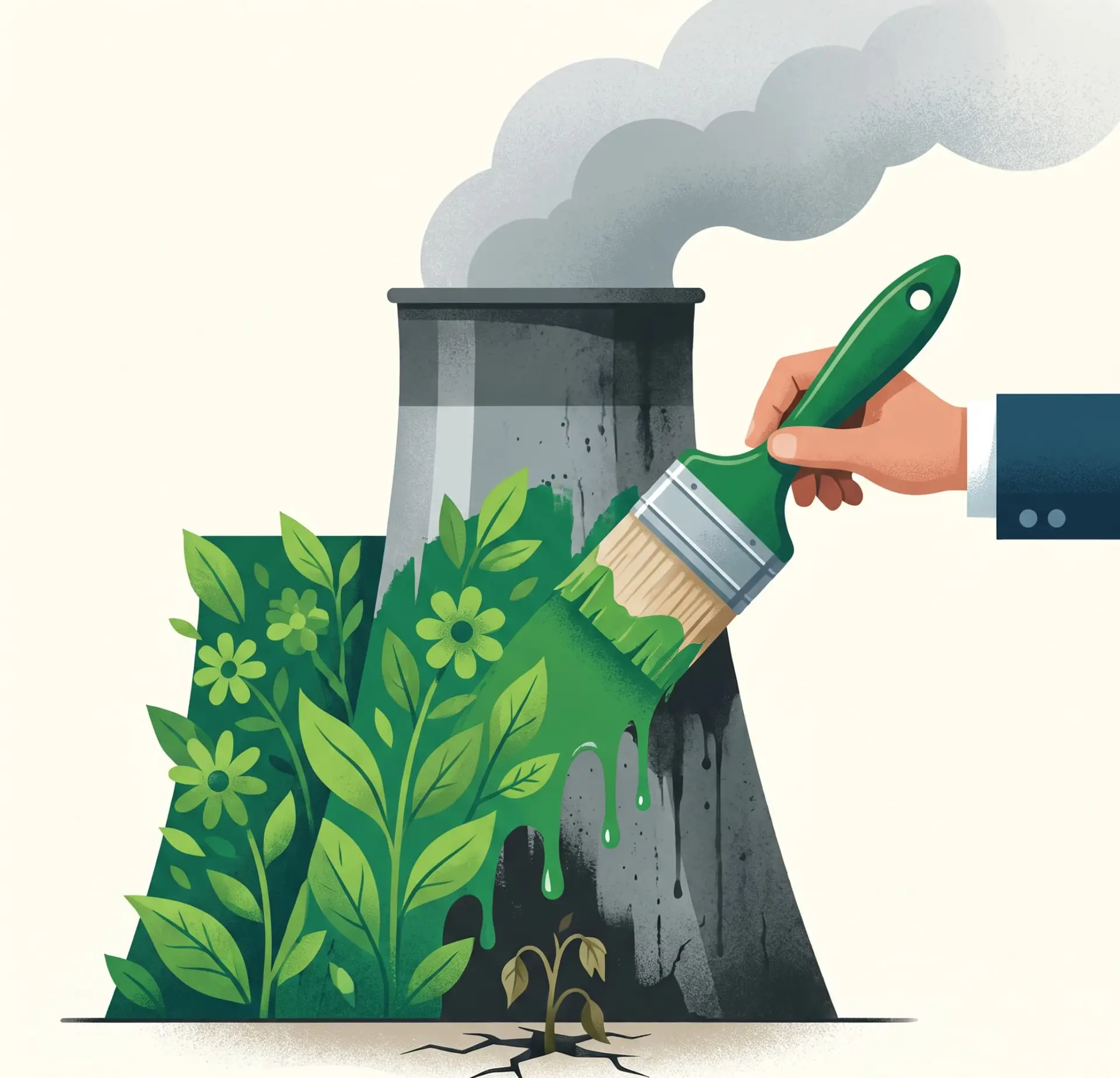
Greenwashing essentially functions as an optical illusion. It relies on evocative imagery, such as lush forests and earth-toned packaging, alongside vague, unregulated buzzwords like ‘eco-friendly’ or ‘all-natural’. These terms are intentionally broad, designed to pacify a concerned consumer without requiring the business to make any substantial operational changes. When a brand engages in this deceptive behaviour, they are not merely exaggerating a product feature; they are actively exploiting the ethical intentions of their customer base for short-term financial gain.
The Difference Between Genuine Sustainability and Marketing Spin

The modern consumer is far more sophisticated than many marketers care to admit. They possess the tools to investigate corporate claims instantly, and they are becoming increasingly cynical about unsupported environmental promises. Spotting the difference between a genuinely sustainable business and a greenwashing campaign usually comes down to transparency. A truly sustainable company will happily share the granular details of its supply chain, admitting where it falls short and outlining clear, measurable steps for future improvement.
Conversely, a brand engaged in greenwashing will rely on distraction. They might heavily promote a newly introduced, recyclable cardboard box while quietly continuing to dump industrial waste from their primary manufacturing facilities. They focus the consumer’s attention on a single, highly publicised green initiative, hoping to mask a much larger, environmentally destructive operational model. This lack of transparency completely undermines the process when you are trying to create content that builds trust with a discerning audience. Once a consumer realises they have been misled about something as important as environmental impact, that trust is almost impossible to regain.
The Commercial Cost of Deceptive Messaging
Many businesses view greenwashing as a low-risk strategy, assuming that the worst possible outcome is simply a lack of engagement. This is a profound miscalculation. In the digital age, a misleading environmental claim can quickly spiral into a full-scale public relations disaster. Regulatory bodies across the globe are beginning to crack down heavily on unsubstantiated green claims, handing out severe financial penalties to brands that deliberately mislead the public. However, the most damaging consequence is rarely the initial fine; it is the catastrophic loss of market reputation.
When a brand is publicly exposed for greenwashing, the social backlash is swift and unforgiving. Customers who feel betrayed will vocalise their frustration across social platforms, actively warning others to avoid your products. The long-term commercial damage of this negative sentiment far outweighs any brief spike in sales generated by a deceptive advertising campaign. If you want to establish true brand authority, your marketing must be rooted in absolute, verifiable truth. Authority is built when a brand consistently delivers on its promises, not when it hides behind a facade of empty, eco-friendly buzzwords.
How to Avoid Greenwashing in Your Marketing Strategy
Avoiding greenwashing does not mean you have to remain silent about your environmental initiatives. If your business is taking genuine steps toward sustainability, you should absolutely share that progress with your audience. The key is to communicate with precision, humility, and absolute clarity. The first step is to completely eliminate vague terminology from your digital copywriting. Words like ‘green’, ‘clean’, or ‘earth-friendly’ are effectively meaningless without context. Instead of claiming that a product is ‘better for the planet’, state exactly why it is better, detailing the specific reduction in carbon emissions or the exact percentage of recycled materials used in the manufacturing process.
Furthermore, you must be prepared to back up every single claim with accessible, third-party data. If you state that your packaging is completely biodegradable, provide a link to the independent certification that proves it. Consumers respect businesses that show their working. It is also vital to embrace honesty regarding your imperfections. No business is perfectly sustainable, and pretending otherwise immediately arouses suspicion. Acknowledging that you are on a journey, and openly discussing the environmental challenges your industry still faces, makes your brand appear far more authentic and relatable.
The Importance of Operational Alignment
Ultimately, your marketing output can only ever be as authentic as your internal operations. You cannot simply apply a green filter to a fundamentally unsustainable business model and expect the public to applaud you. Your environmental messaging must accurately reflect the reality of your entire supply chain, which highlights the importance of brand coherence. Every department within your organisation – from product procurement to digital marketing – must be aligned around the same genuine ethical standards.
When your actions align perfectly with your advertising, you completely remove the risk of greenwashing. Your marketing simply becomes a transparent window into your actual business practices. By prioritising honesty over hype, you not only protect your brand from damaging regulatory scrutiny, but you also cultivate a deeply loyal customer base that genuinely believes in your mission. In a crowded marketplace, this level of authentic trust is the ultimate competitive advantage.