
The Importance of Omnichannel Marketing for E-commerce Success
17 January 2025 by admin
In today’s fast-paced digital world, online retailers face an increasingly complex challenge: how to reach and engage customers who navigate multiple channels every day. Think about it – someone might discover your brand via Instagram, browse your product listings on a tablet, then finally complete a purchase through your website on their laptop. This intricate journey is where omnichannel marketing truly shines. By offering a seamless, integrated experience across all touchpoints, e-commerce brands can build deeper relationships with consumers, grow their reputation, and ultimately see tangible boosts in sales.
But what exactly is omnichannel marketing? And why is it so crucial for modern online retailers? Below, we’ll break down the core benefits, outline the steps you can take to build an effective omnichannel framework, and tackle some of the common obstacles brands encounter along the way. The goal? To show why an omnichannel approach isn’t just a trend – it’s the key to remaining competitive in an ever-evolving digital marketplace.
Why Omnichannel Marketing Is Essential
Omnichannel marketing differs from simple multi-channel approaches. While multi-channel strategies might involve a brand posting on social media, sending email newsletters, and running adverts on various websites, these efforts often remain siloed. Omnichannel, on the other hand, looks at the bigger picture – ensuring each channel works together harmoniously so that your audience enjoys a consistent, cohesive brand presence wherever they encounter it.
This consistency matters because consumer behaviour has changed dramatically in recent years. Shoppers now expect a personal, intuitive experience across all platforms. They might start researching a product on their phone during a commute, then switch to a desktop at home to compare prices or features. If the messaging and visuals they encounter in these different places feel disjointed, it erodes trust and could prompt them to abandon their purchase in favour of a competitor. An effective omnichannel strategy meets your audience where they are, delivering relevant content and offers that reflect a unified brand message – and it does so without missing a beat.
Key Benefits of an Omnichannel Strategy
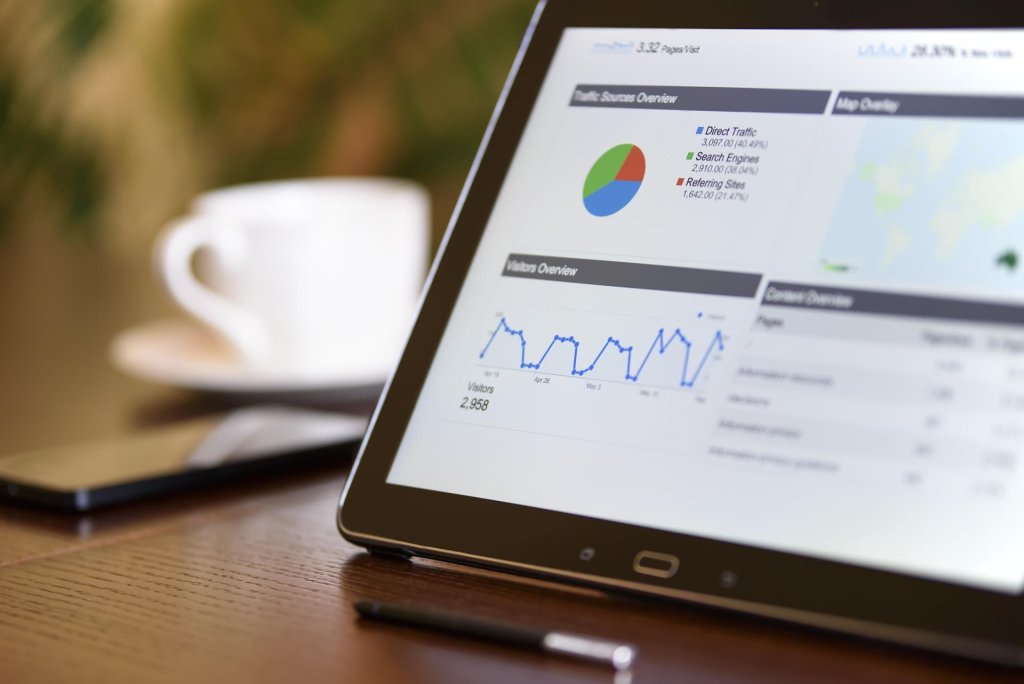
A well-orchestrated omnichannel approach can propel your e-commerce store from obscurity to prominence. Here are some of the key advantages:
- Enhanced Customer Experience and Satisfaction
By presenting consistent information, branding, and service quality across all channels, you reduce confusion and frustration for your customers. In a property context, for instance, you wouldn’t want potential buyers to see out-of-date listings or different pricing on multiple platforms – the same principle applies to e-commerce. A smooth, dependable shopping journey fosters loyalty and nurtures repeat business. - A Stronger, More Cohesive Brand
Omnichannel marketing ensures your brand voice and aesthetic remain recognisable, whether a customer is reading a blog post, scrolling through Instagram, or shopping on your website. Over time, this builds credibility and boosts brand recognition, which in turn makes it easier to attract new customers and retain existing ones. - Increased Customer Retention and Higher Lifetime Value
When customers feel valued and catered to, they’re more likely to come back. An integrated approach that personalises content and recommendations – based on browsing history, past purchases, or demographic data – helps you deliver relevant offers right when shoppers are most receptive. This tactic not only encourages immediate conversions but also drives long-term engagement. - Better Data Collection and Insights
An omnichannel strategy, by its very nature, compels you to unify data across platforms. Centralising customer information allows you to see patterns and trends that might otherwise go unnoticed. Perhaps certain products sell better on social channels than via your mailing list, or maybe cart abandonment rates spike when customers encounter specific barriers on your checkout page. Armed with these insights, you can refine campaigns and optimise user experiences far more effectively.
Building an Omnichannel Framework
Establishing a robust omnichannel strategy starts with a detailed understanding of your audience. Where do they spend time online? Are they more engaged through email or social channels? Do they rely on influencer recommendations? Pinpoint the touchpoints that matter most, then create a unified plan.
Next, collate your customer data in one place. This might involve using a customer relationship management (CRM) system, or deploying marketing automation software that integrates seamlessly with your e-commerce platform. The aim is to track user behaviour and engagement, then tailor your content accordingly – for example, sending targeted newsletters based on past purchases, or posting social media ads that reflect specific browsing habits.
Throughout every step, ensure that your brand messaging remains consistent. From the imagery and tone of voice used on Instagram, to the descriptors and layout on your main website, alignment is key. This doesn’t mean you have to churn out identical posts on every platform, but rather that each channel should complement the others, telling a cohesive story to your audience.
Challenges and How to Overcome Them
While the benefits are clear, implementing an omnichannel strategy can be a daunting task. Data silos – where information about your customers is scattered across multiple systems – is one frequent stumbling block. Invest in tools that integrate well with each other, and make an effort to train your team thoroughly so everyone understands how to share and access information.
Inconsistent branding is another potential pitfall. Many businesses have separate teams handling, say, email marketing and social media, which can lead to a mismatch in tone. To solve this, centralise brand guidelines and maintain open communication across all departments. If budgets allow, consider designating an “omnichannel coordinator” – someone responsible for ensuring that every channel aligns with overall brand objectives.
Finally, technology limitations can hamper your progress, especially if your website or e-commerce platform doesn’t support the kind of personalisation or data analytics you need. In such cases, upgrading systems – or moving to a platform better suited to omnichannel demands – can pay off significantly in the long run.
Final Thoughts
In a highly competitive e-commerce landscape, standing out demands more than just offering quality products at a reasonable price. Today’s consumers expect a brand to greet them with consistent messaging, no matter which device or channel they choose. Omnichannel marketing delivers precisely that – a seamless, holistic experience that captures attention, inspires loyalty, and encourages repeat purchases.
By unifying data, aligning messaging, and crafting personalised interactions, you’ll not only improve conversions but also cultivate a reputation for excellence that resonates with buyers. And the great news? It’s an investment that tends to pay off in sustained growth, as every point of customer contact contributes to a broader, more integrated strategy.
If you’re ready to elevate your digital presence and see real results, Social Loop can help. Our digital marketing services are designed to empower e-commerce brands – harnessing the power of omnichannel marketing to drive sustainable, long-term success. Get in touch, and let’s create an experience your customers will return to time and again.